
In Conversation with Alon Shamir: The Designer Rethinking Children’s First Ride
July 3, 2026A child’s first experience of independent movement is a small but significant thing. The product that carries them through it matters — in how it feels, how it holds up, and what it quietly communicates about the world.
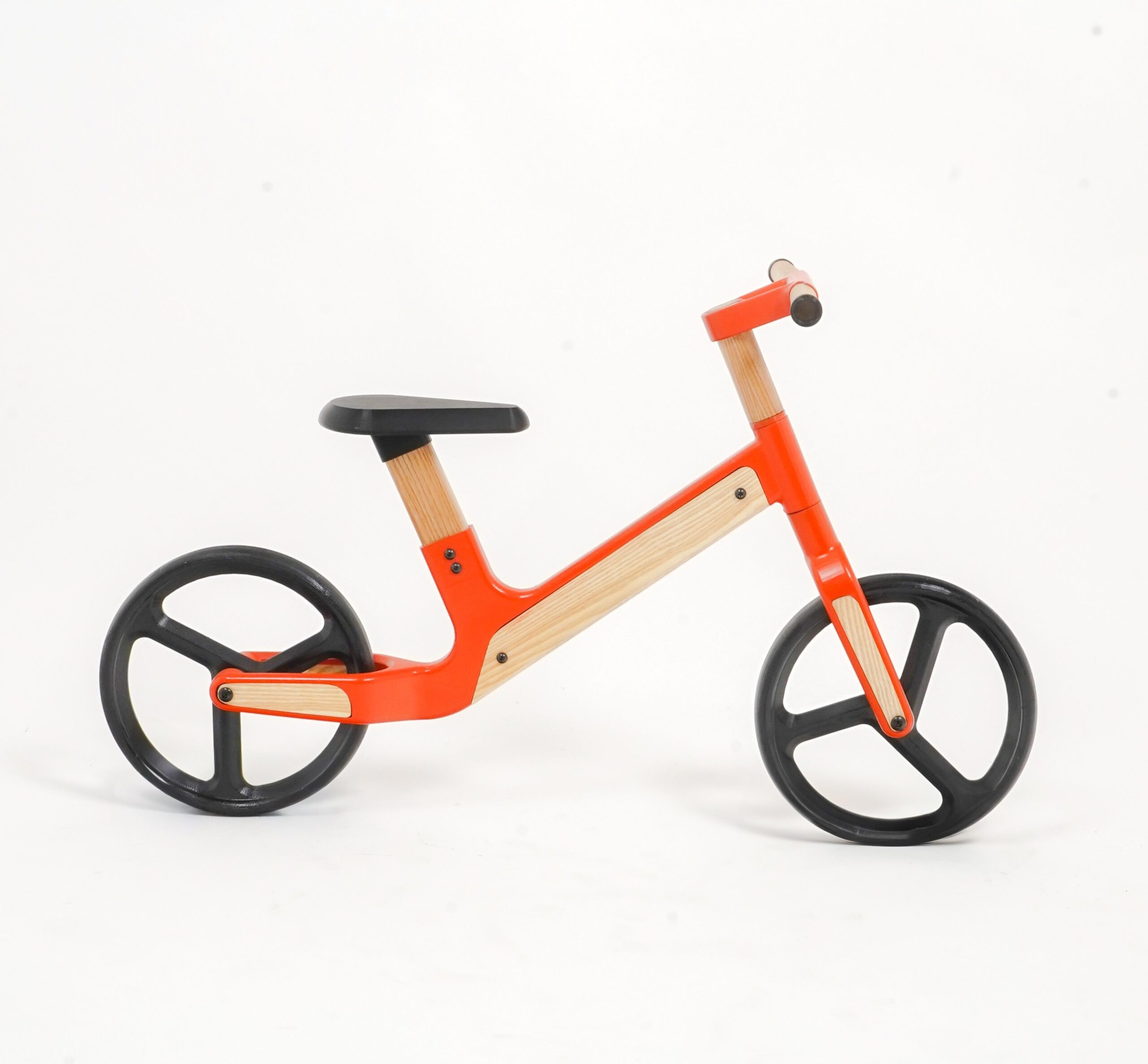
Alon Shamir, an industrial designer trained at Shenkar College of Engineering, Design and Art, built Lilt Balance Bike around that idea. Pairing structural oak with recycled engineering plastics, Lilt is a considered response to the throwaway logic that tends to dominate children’s products — designed for confidence, safety, and a material honesty that’s visible at a glance.
Fresh off winning Emerging Sport Gear Designer of the Year at the FIT Sport Design Awards, Shamir speaks to us about designing for children’s intuition, the personal meaning behind his material choices, and where this way of thinking might take him next.
Tell us a bit about your backstory. What drew you to industrial design and to creating products for children?
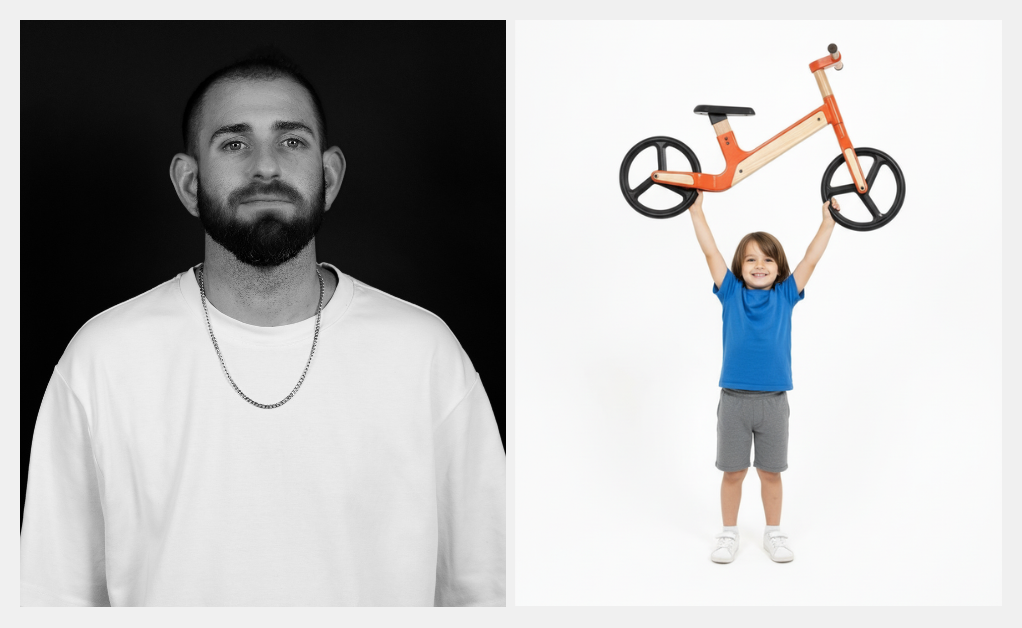
I have always been fascinated by the way products shape everyday experiences and influence the way people interact with the world around them. From a young age, I was always curious about the objects around me, how they are made, why they look the way they do, and how many different possibilities exist within their design. That curiosity eventually led me to study industrial design at Shenkar, where I became especially interested in creating products that combine functionality, emotion, and intuitive usability. Designing for children was especially interesting to me because children interact with products in such an honest and intuitive way. Designing for children requires a careful balance between safety, simplicity, playfulness, and intuitive usability. That challenge pushed me to think more carefully about proportions, materials, usability, and emotional connection.
What inspired you to design a balance bike, and what did you want children to experience while using it?
What excites me most about designing for children is the opportunity to create products that can influence the way they experience movement, confidence, and independence at such an early stage in life. I was especially drawn to balance bikes because they often represent one of a child’s first experiences of independence. Unlike many toys, a balance bike gives children a real sense of responsibility and control while still feeling playful and exciting. I liked the idea that, for many children, this is one of the first products that feels connected to the world of adults, something they actively operate and experience on their own. While learning to balance and develop motor skills, I wanted children to feel curious, capable, and emotionally connected to the experience of movement through the product.
Can you walk us through the design process behind Lilt Balance Bike?
The design process behind Lilt began with a reflection on my own childhood. Growing up in a wooded environment, wood was a constant presence throughout my childhood, and I knew from the start that it would play a central role in the project. My first concepts were developed almost entirely in wood. They captured the warmth and nostalgic qualities I was looking for, but after building prototypes and testing them with children in a kindergarten, I identified several challenges related to weight and the functionality of the moving joints. These insights led me to rethink the role of materials within the product. Rather than replacing wood, I began exploring how different materials could work together based on their strengths. Wood remained the primary structural element, providing strength and a natural tactile quality, while recycled engineering plastics were introduced where precision, reduced weight, and mechanical performance were required. The final design combines the warmth and character of wooden toys with the precision and manufacturing possibilities of contemporary materials.
Can you expand on your choice of materials, such as oak wood and recyclable plastic?
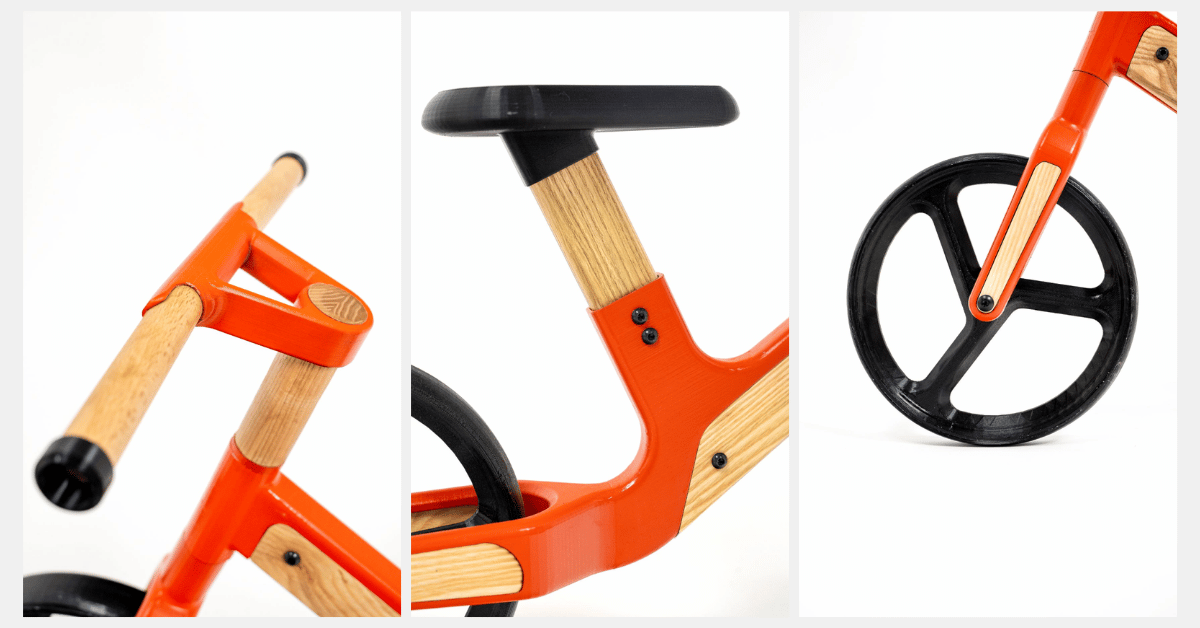
The choice of oak wood was both personal and functional. From a design perspective, oak offers excellent strength and durability, allowing it to serve as a key structural element within the product. On a personal level, oak trees were a constant presence in the environment where I grew up, and the material carries a strong connection to my childhood. It also holds a special meaning for me, as my name, Alon, is the Hebrew word for oak tree. The decision to use recycled plastic was driven by both practical and environmental considerations. These components require precision, durability, and suitability for mass production, making recycled engineering plastics an appropriate choice. At the same time, I felt that a product designed for children should also reflect a responsibility toward the world they will inherit. Using recycled materials was a way to embed that idea directly into the product. Together, these materials combine personal meaning, structural performance, and a commitment to more responsible manufacturing.
How did designing for young children influence the bike’s shape, weight, proportions and safety?
Designing for young children influenced nearly every aspect of the bike. From the beginning, I wanted it to feel familiar and approachable, preserving the recognizable qualities of a bicycle rather than pursuing a more expressive form language. While the form was kept simple to allow the materiality to remain visible and honest, subtle diagonal elements were introduced to communicate a sense of movement. The proportions were carefully developed to support stability and comfort, while keeping the bike light enough for children to handle independently. Safety also played an important role, with rounded edges and soft transitions used throughout the design to create a friendlier and safer riding experience. Ultimately, the goal was to create a bike that feels intuitive, safe, and inviting while supporting children’s first experiences with independent mobility.
Congratulations on winning “Emerging Sport Gear Designer of the Year” at the FIT Awards! What does this recognition mean to you?
Receiving this recognition is both exciting and humbling. I’m incredibly grateful for it. What means the most to me is knowing that people connected with the design and the story behind it. More than a personal achievement, I see it as validation of the ideas and values that guided the project, from material choices and sustainability considerations to creating meaningful experiences for children. As I begin my professional journey as a designer, this recognition gives me confidence and a great deal of motivation to continue creating, learning, and exploring how design can positively impact people’s everyday lives.
Looking ahead, how would you like to develop this project further, or carry its ideas into future designs?
Looking ahead, I’m interested in continuing to explore the relationship between natural materials and engineered components. This project showed me how wood and recycled plastics can work together, each contributing different structural, functional, and material qualities. I see potential for this approach beyond children’s products, particularly in products where strength, precision, and material character need to exist side by side. Exploring that intersection is something I would like to carry into future work.