In Conversation with Mehdi Mortazavi: The Designer Making Concussion Screening More Accessible
June 30, 2026In high-impact sport, the moments after a collision often move faster than the tools available to assess them. Concussion diagnosis has long relied on specialist equipment, controlled environments, and clinical expertise — resources that aren’t always on the sideline.
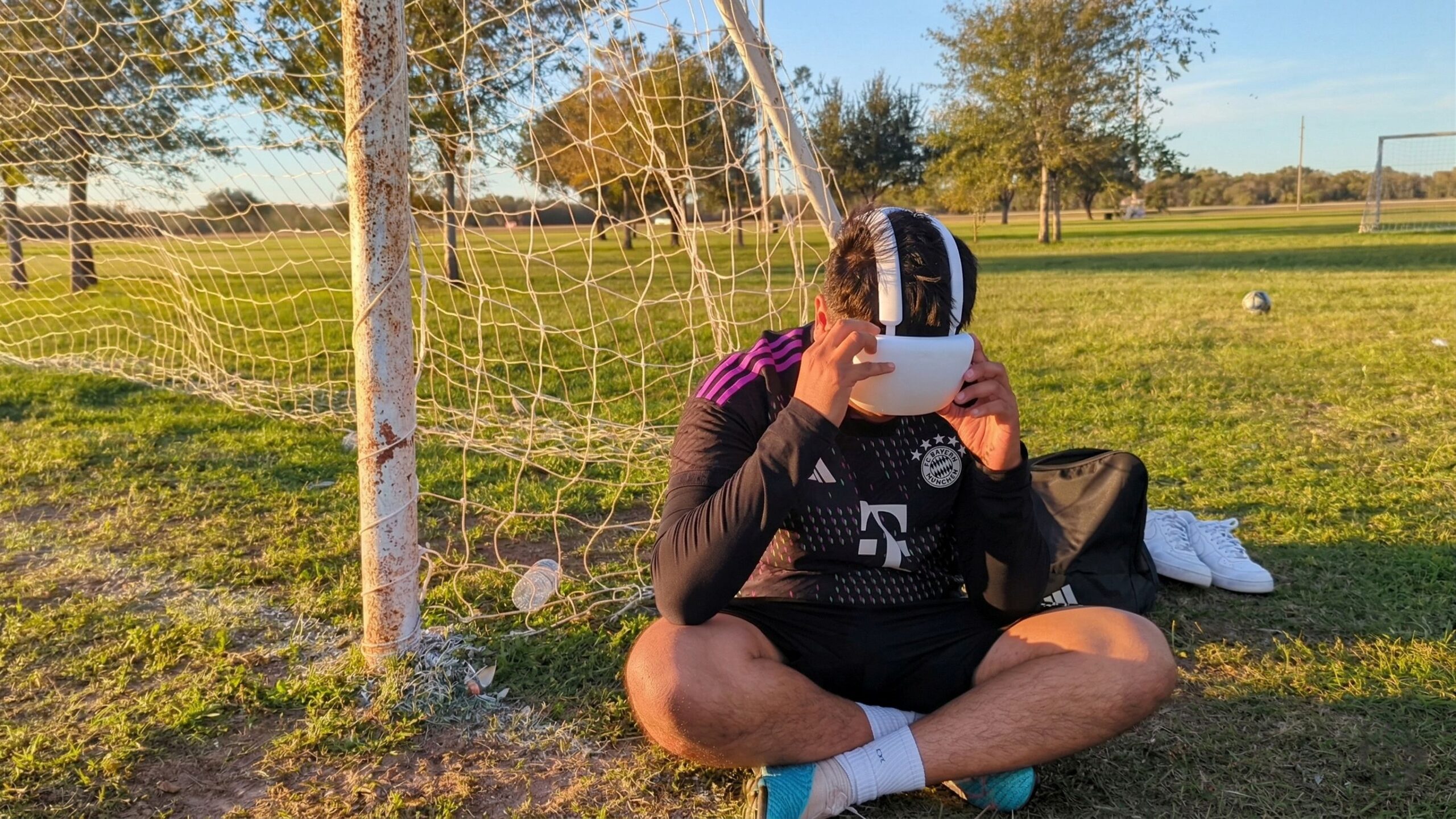
Mehdi Mortazavi, a graduate designer with a background in human-centered wearables, saw that gap as a design problem worth solving. His response is SynTec, a headset that brings together eye-tracking and EEG sensing in a form built for real-world conditions — approachable enough for a school sports field, rigorous enough for a clinical setting.
Fresh off winning Emerging Sport Apparel Designer of the Year, Mortazavi speaks to us about the intersection of medical technology and sport, designing for users under stress, and what wearable innovation could mean for athlete safety at every level.
Can you tell us a bit about your backstory? What led you to explore wearable technology, health, and sport through design?
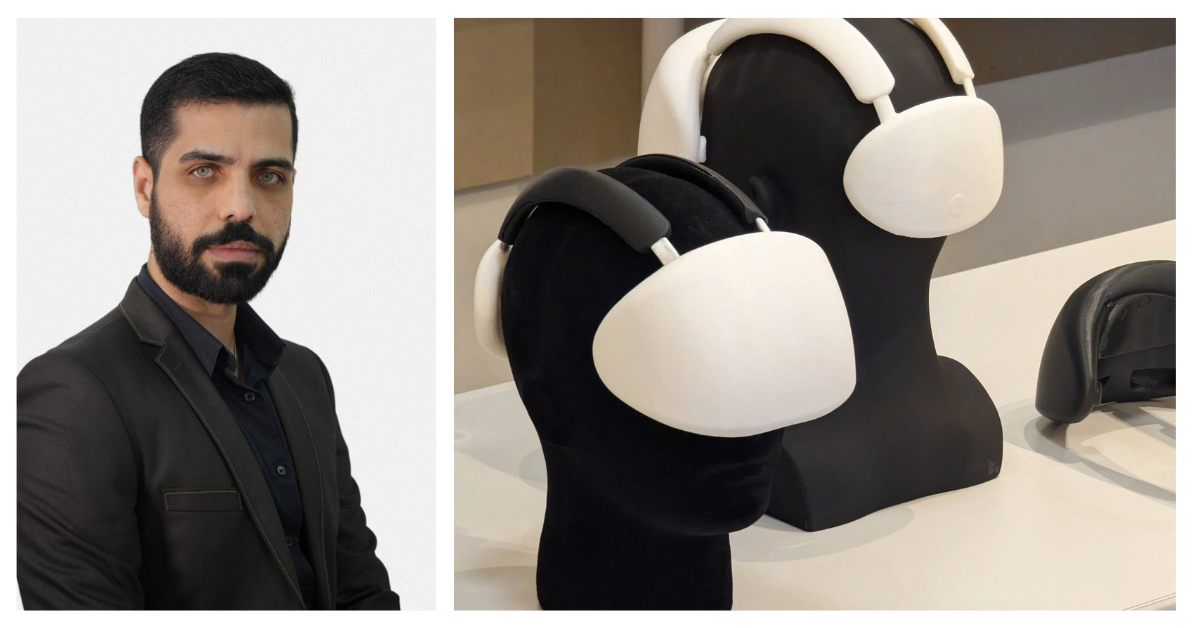
I have always been interested in developing wearable products, and I dedicated much of my undergraduate and graduate portfolio to wearables and human-centered projects, including assistive devices and passive exosuits. Throughout school, I often pushed myself to develop projects that felt as close to fully functional products as possible, even within the short time frames of a semester.
With SynTec, I had the opportunity to approach the project differently. Since I knew the concept could continue being developed by other students, researchers, and professionals after the semester, I was able to focus more deeply on the product experience, form, comfort, usability, and interaction, while still considering the electronic components and internal systems. That mindset helped me spend more time designing how the product should function for real users, rather than only focusing on whether I could personally build every part of the technology within the semester.
What first inspired you to design a headset for concussion assessment in high-impact sports?
This project was recommended to me by my advisor and professor, Jeff Feng, as my first graduate school project under the supervision of Prof. Min Kang. After the initial preliminary research, I saw the value in designing an affordable, accurate, and rapid concussion assessment device for individuals and communities with limited access to advanced medical resources.
This aligned closely with my previous work in accessible, preventative, and treatment-focused wearable devices. I became interested in the opportunity to design a headset that could support concussion screening in a way that feels more approachable, intuitive, comfortable, and aesthetically considered. With almost 2 million concussion cases going undetected each year, I saw SynTec as a chance to explore how design could help make objective assessment tools more accessible in sports, schools, clinics, and other environments where early detection is important.
After that initial idea, what was the design process behind SynTec?
Like many of my design projects, SynTec started with a deep dive into preliminary secondary research. This stage helped me better understand the problem, the current and available technologies, the stakeholders involved, existing products, and relevant intellectual property on the market.
After gaining a deeper understanding of the field, I conducted my primary research, including interviews and surveys with medical professionals and patients. This process helped me identify gaps in current concussion assessment methods and better understand how mild TBIs occur, how they are treated, and where design could improve the experience.
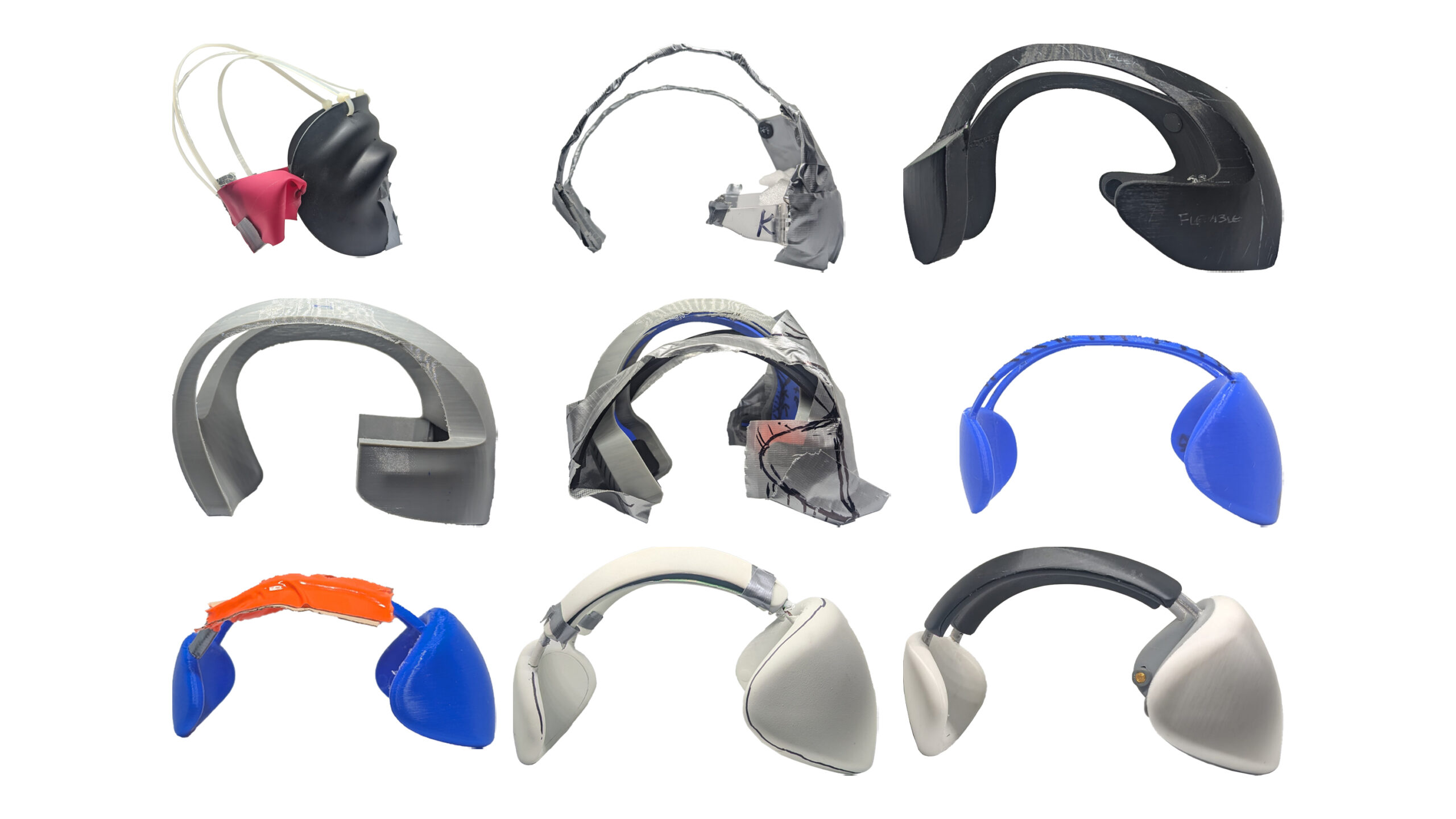
The combined findings then led me into ideation, where I developed preliminary concepts, sketches, and low-fidelity prototypes. These early ideas were presented, reviewed, and tested, which helped narrow the direction to a handful of stronger concepts. In parallel with this human-centered design process, I also developed an affordable eye-tracking solution using webcams and a simple Python application, comparable in concept to research-grade eye-tracking glasses.
Higher-fidelity prototypes were then tested with different head shapes, hairstyles, and genders, and each iteration improved on the previous one. The final design was presented to a panel of reviewers and stakeholders and is currently being utilized for further lab testing. This work was supported in part by NSF IUCRC BRAIN Award #2137255 and Cognixion Corporate.
Can you tell us more about how your product actually works?
SynTec is designed to support rapid concussion assessment and help track recovery progress over time. The device combines two methods of concussion detection: VOMS, or Vestibular/Ocular-Motor Screening, and brainwave detection using EEG sensors. VOMS testing is an affordable method that usually involves a medical professional conducting a series of visual tests, asking the patient to follow an object with their gaze. If the gaze is irregular, it may indicate a possible concussion. However, because this method is often based on visual observation, it can be subjective. For example, one study by Rosenblum et al. showed a false-positive rate of up to 22.5% in their cohort. Another method used to assess neurological activity is EEG, or electroencephalography. EEG can provide valuable brainwave data, but it usually requires expensive equipment and controlled settings. A study by Natuline et al. showed that only 86% of patients with an abnormal neurological examination had an abnormal EEG, which also shows why relying on one method alone may have limitations.
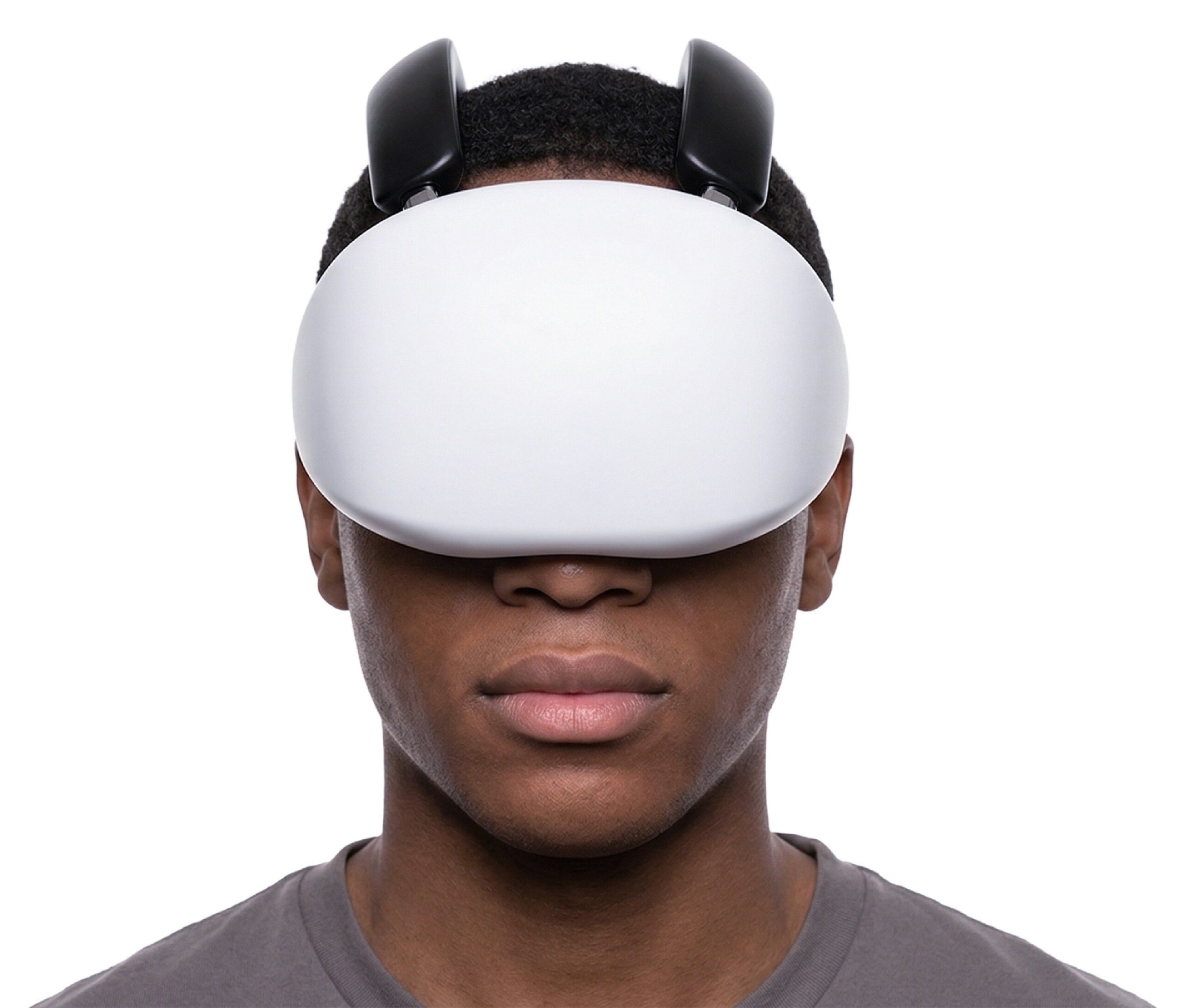
SynTec aims to combine these approaches in a more accessible and wearable format. The headset uses eye-tracking sensors to detect gaze movement as the user follows an animated white dot displayed through AR-style optics. At the same time, EEG sensors record brainwave activity and look for abnormalities. In terms of usability, the headset is designed to be easily donned and used during high-stress situations, especially for individuals with a potential concussion who may not be fully aware of their surroundings. After the user puts on the headset, a proximity sensor on the forehead signals the device to turn on and sends a notification to the user’s phone. The user only has to tap the screen once to begin the scan. The collected data is then processed and shown to the user, therapist, coach, medical professional, or caregiver through the phone application. The assessment is designed to take about 15 minutes and is currently being tested in a lab setting.
How does the app in the SynTec system help coaches, medical staff, and athletes understand the data?
The app is designed to make the scan process and results easier to understand. The user initiates the scan through the phone application. After the scan is complete, the data collected through the EEG and eye-tracking sensors is sent to the system, analyzed, and presented in a simple, visual format.
For athletes or patients tracking their recovery, the app can show daily scan results and progress over time through a simple graph. This allows users, coaches, medical staff, and caregivers to see whether the data is improving, worsening, or remaining consistent. The goal is not only to collect advanced data, but to translate it into information that can support safer decisions.
As of right now, the data is still being processed through a computer, but the future goal is to analyze and present the information through a standalone mobile app.
Congratulations on winning “Emerging Sport Apparel Designer of the Year” at the FIT Awards! What does this recognition mean to you?
Thank you very much! I had seen many strong projects come out of this competition, but I did not originally think I had a dedicated sports-related product to submit. After being reminded by a peer, I decided to enter SynTec because, although it is a medical and wearable technology project, it also directly connects to athlete safety and high-impact sports.
When I received the first notification about winning, it was a meaningful surprise. I was on a long road trip across the Southwest USA when I saw that the results had been released publicly. Soon after, my professors and peers started congratulating me, and that was when the recognition truly started to feel real.
It definitely feels great to be seen, but most importantly, it is rewarding to know that accessible medical design is being valued within the design, engineering, and sports communities. This award encourages me to continue developing wearable medical devices that are not only functional but also comfortable, approachable, and aesthetically pleasing.
Looking ahead, how do you hope to keep using design and technology to improve safety in sport?
My broader passion in research and design is assistive wearable technology, particularly soft assistive and rehabilitative exosuits. I see a lot of opportunity for wearable design to improve safety in sport by helping prevent injuries, support recovery, and make rehabilitation tools more accessible outside of specialized clinical environments.
This includes neurological conditions, work-related musculoskeletal disorders, and sports-related injuries, from soft tissue injuries such as ACL injuries in high-impact sports, to acute injuries in extreme sports, to overuse injuries such as swimmer’s shoulder. In many cases, athletes do not only need more awareness or better treatment after injury; they also need thoughtfully designed tools that can support prevention, monitoring, and recovery.
Looking ahead, I want to continue designing wearable technologies that bridge the gap between medical function, comfort, and everyday usability.